
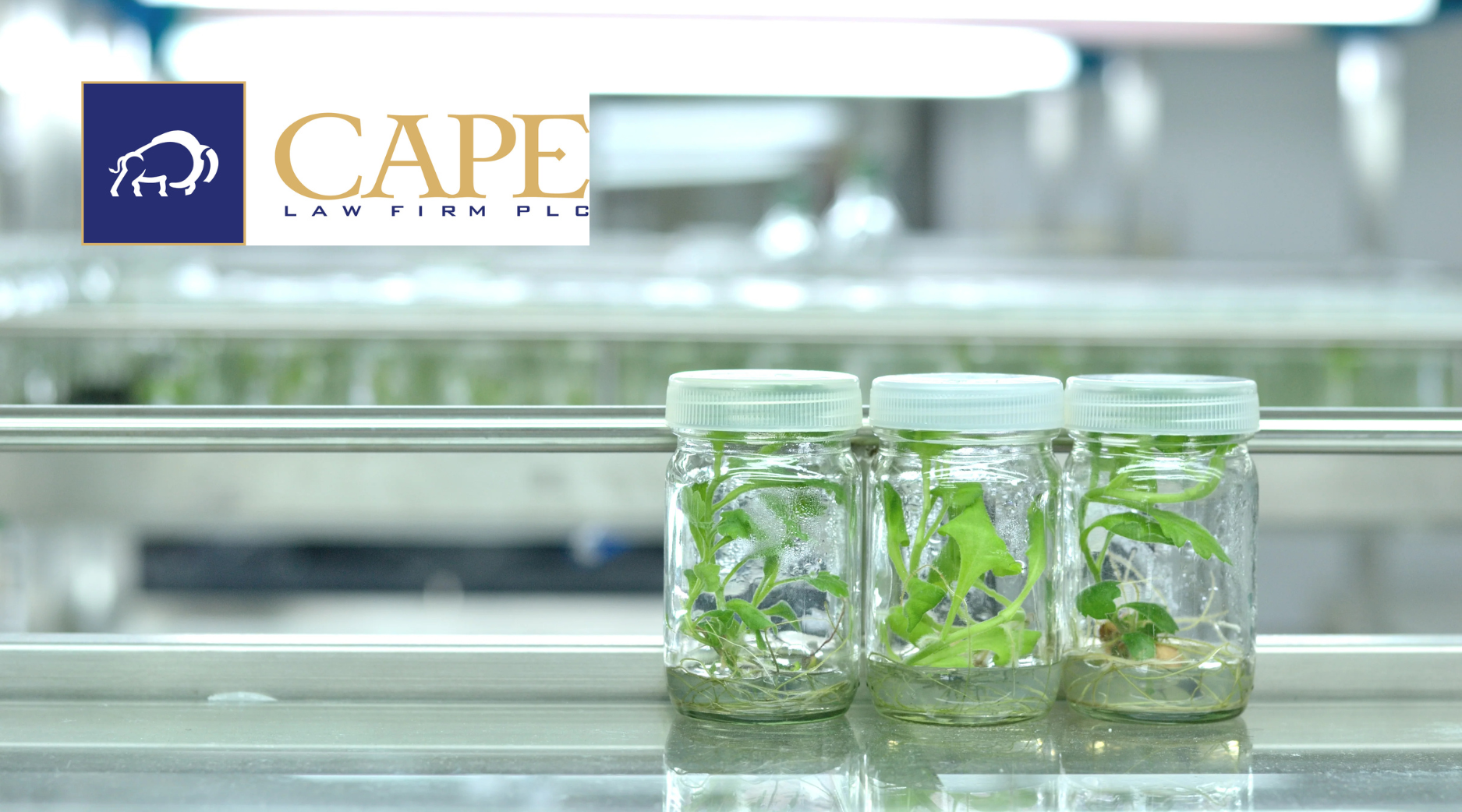
Crop Creation Breakthrough: A Turbocharger for Plant Regeneration
A team of researchers at Texas Tech University may have just solved one of the biggest bottlenecks in modern plant breeding – plant regeneration through tissue culture. Current genetic engineering methods rely on tissue culture to produce a plant from a single cell, a process that is notoriously slow, difficult, and expensive. Dr. Gunvant Patil’s team at Texas Tech has developed a “synthetic regeneration cascade” method that allows a plant to regenerate itself. The method combines two genes to activate a plant’s regeneration pathways, causing the plant to start rebuilding. The process can be integrated with gene editing and transgenic tools to integrate new traits into the plants as they regenerate.
In a write-up by George Watson about the new technology, the researchers touted how it could accelerate trait development and make biotechnology tools available to smaller breeding programs:
You can read more here.
Pesticide Drift Lawsuit Alleges Contaminated Weed
Pesticide drift lawsuits aren’t unusual and often don’t make the news, unless, of course, they involve a high-value crop claiming big money damages. That is the situation with River Valley Growers, a Massachusetts cannabis farm that has sued Nourse Farms, Inc., a neighboring berry grower, alleging various claims for pesticide drift and seeking $17 million in damages. River Valley’s 2022 cannabis harvest tested positive for the presence of multiple active pesticide ingredients, which rendered the crop worthless due to strict zero-tolerance pesticide rules for cannabis cultivation. An investigation by the Massachusetts Department of Agriculture concluded that the contamination resulted from drifting applications made by Nourse Farms’ fields which surrounded the cannabis crop.
While the case has a long way to go, the issue of damages will likely be litigated extensively since establishing reliable market prices for cannabis is difficult and somewhat elusive. You can read more here.